
Every year the ATO tells us, more or less openly, where it’s going to be looking. Which industries, what claims, what kind of arrangements. This year they’ve been handed close to a billion dollars to go and do exactly that, so it’s a list worth paying attention to.
Quick Summary
🎥 Get the full breakdown, including a real client story and what to do if a letter lands, in the video. Watch it here. |
It starts with a computer, not a person
Years ago this was closer to a name pulled out of a hat. An auditor would turn up, and half the time they’d find nothing. That’s not how it works anymore.
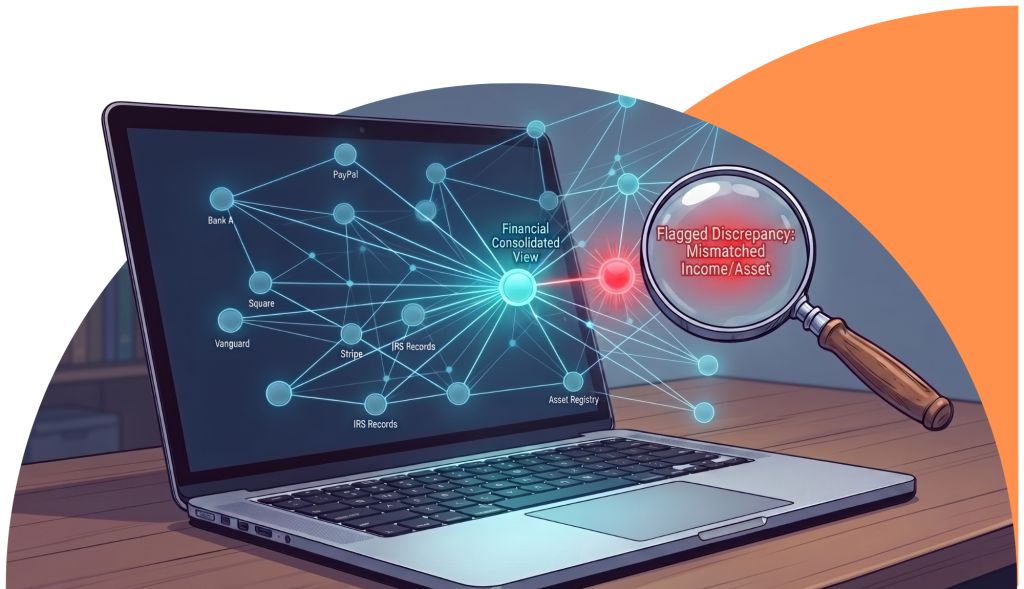
Bank feeds, payment platforms and asset registries all get pulled together and compared against what you’re reporting. The ATO also benchmarks you against businesses like yours, so if your numbers sit well outside what’s normal for your industry, that gets noticed. Being flagged doesn’t mean you’ve done something wrong. It means someone wants to understand why the numbers don’t match up.
Why going quiet is riskier than getting something wrong
Falling behind used to be fixable with a phone call. That’s largely gone now. What’s more interesting is a case we came across recently where a business owner did almost everything right, kept the books current, paid staff and super on time, and had the money set aside for every liability. The one thing he didn’t do was lodge, for three years straight.
What happened next, and why it cost him more than it should have, is one of the clearer examples in the video of how the ATO reads silence.
The areas on this year’s list
A few themes come up again and again in what the ATO has flagged for growing businesses:
Using company money for personal things is the one that catches the most owner-operators, often without anyone realising it’s happening. Vehicle claims are also under close watch, largely because cars leave a data trail that most people never think about. On top of that, the ATO is watching the gap between how people live and what they’ve declared, trust distributions that don’t quite line up, both ends of GST, and how businesses classify the people they pay.
Each of these has a straightforward fix once you know what triggers it, and that’s exactly what’s covered in the video, along with the traps that are easy to miss.
Going back several years, not just this one
One thing worth knowing before anything else: when the ATO does look, a review isn’t limited to the current year. It can reach back several years at once, which is part of why getting ahead of these issues now matters more than it used to.
If a letter does land
A letter from the ATO isn’t an accusation. Most of the time it just means your numbers have fallen outside the expected range. What you do in the first few days after it arrives matters a lot, and the video walks through exactly what should happen, and what shouldn’t.
🎥 Watch the full video here for the details on each of these areas, a real client example, and how to handle it if a letter does turn up.
Get ahead of it before a letter does
The businesses that come through an ATO review without a headache are almost always the ones who looked at this stuff before they had to, not after. If you’re growing and you’re not one hundred percent sure your car claims, your GST, or the money moving in and out of your company would hold up, contact the team at Cotchy to learn more and find out exactly where you stand.
Get a Straight Answer on Where You Stand
This article is general information only and doesn’t take your personal circumstances into account. Always get advice specific to your situation before acting.


